Paving the Path: First-Generation Physicians Share Journeys to Medicine
First-Generation Graduates at the Anne Burnett Marion School of Medicine at Texas Christian University Head to Top Residency Programs Across the Country.
FORT WORTH – For first-generation medical students, graduation marks the culmination of years of hard work and something even more profound: the fulfillment of a dream built without a family roadmap to follow.
“The journey of a first-generation physician involves unique challenges,” said Anant Patel, D.O., Assistant Dean for Student Affairs at the Anne Burnett Marion School of Medicine at Texas Christian University. These students “navigate the complexities of medical school applications to mastering clinical environments without prior family exposure to the field.”
Creating a roadmap for first-generation students involves building student communities, supporting student well-being and contributing to their professional identity formation, which are all core parts of the Empathetic Scholar® curriculum, according to Dr. Patel.
At the Burnett School of Medicine, first-generation graduating medical students matched into competitive medical specialties and residency programs across the nation.
Angela Abarquez, M.D. ’26
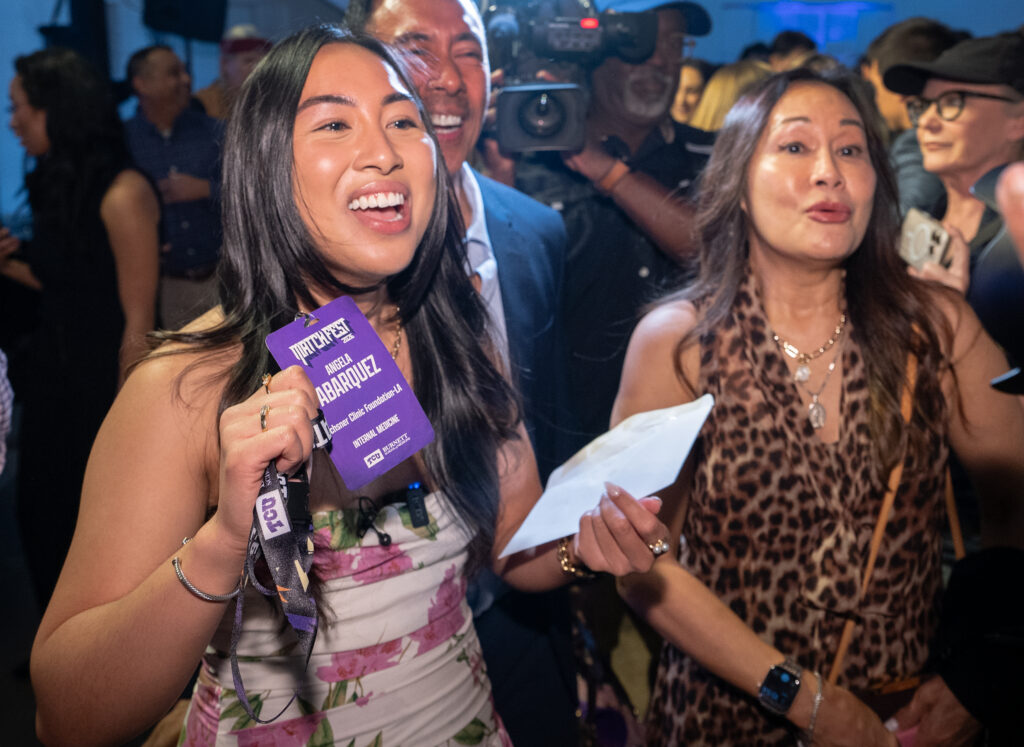
Internal Medicine, Ochsner Clinic Foundation – New Orleans
For Angela Abarquez, M.D. ’26, becoming a doctor carried the weight of generations of family members. Her father and his three siblings were raised by a single mother in a hotel room in the Philippines. Her aunt dreamed of being a physician, but her family didn’t have enough money to send her to medical school.
“My parents always told me their biggest gift to me is my education,” Abarquez said. “They are super proud that I was able to make it all the way to medical school.”
She leaned on several faculty members at Burnett School of Medicine to discuss the difficulties of navigating the academic rigors of medical school.
“There were many times where I could tell my parents knew I was struggling and wanted to help, but they didn’t quite know what to say,” Abarquez said. “Luckily, our school has so many people that want to help us and I am so grateful for the relationships.”
Abarquez matched in internal medicine at Ochsner Clinic Foundation in New Orleans. Her entire family came to Fort Worth to watch her graduate from medical school.
On the day, her dad told his sister the graduation date, “she booked her flight to be here,” Abarquez said. “Hearing ‘Dr. Abarquez’ will be powerful. It represents everything my family has done to give me what they didn’t have.”
Cort Ewing, M.D. ’26
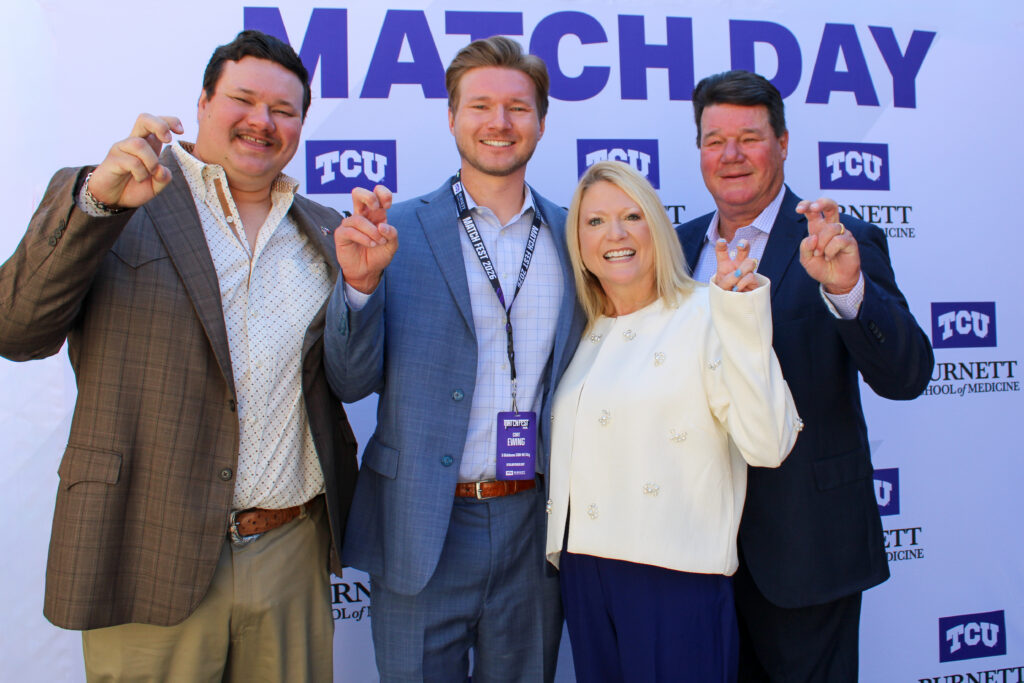
Otolaryngology, University of Oklahoma College of Medicine – Oklahoma City
Cort Ewing, M.D. ’26, matched in otolaryngology at the University of Oklahoma College of Medicine. He is the only medical professional in his family and his achievements are a source of great pride for him.
His father, Kip Ewing, was a first-generation college student making Cort’s medical school journey another significant milestone in their family’s educational legacy.
“I think he’s committed and he cares about people,” Kip Ewing said about Cort. “More than anything else he’s always challenging himself to be a better doctor and to learn more.”
The Ewing family takes immense pride in what Cort has achieved.
“I’m excited to take that next step forward,” he said. “I hope to honor that dedication to make a difference in the lives of others using this blessing that I’ve had.”
Lauren Hui, M.D. ’26
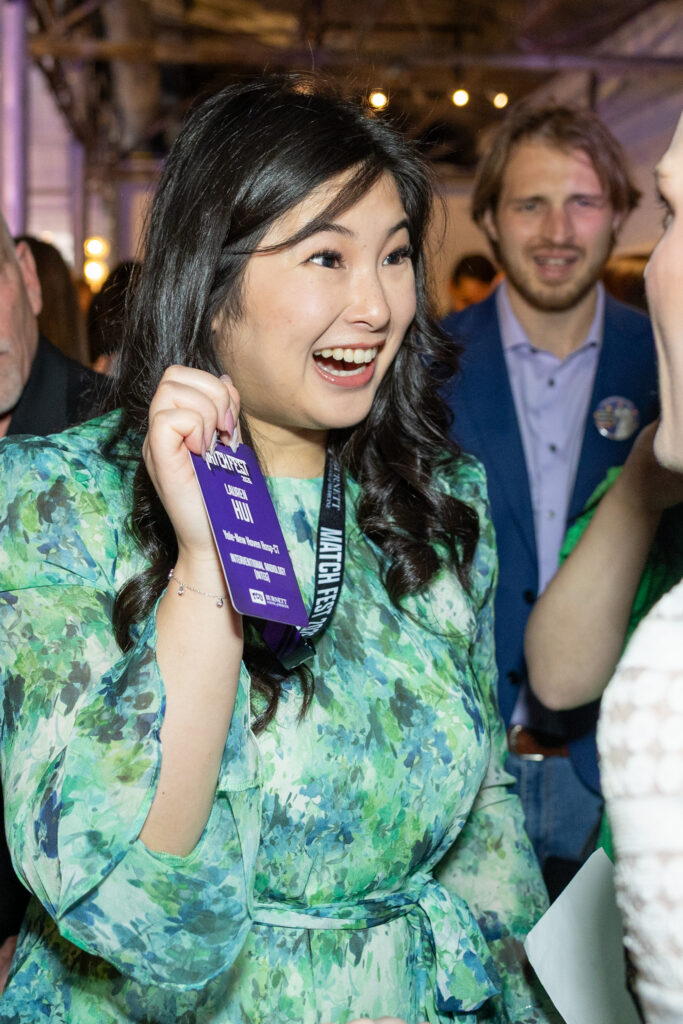
Interventional Radiology, Yale – New Haven Hospital – CT
Lauren Hui, M.D. ’26, credits her success to mentors and others who have helped her along the way.
“I think being first generation also means having to seek out all the information yourself, having to find mentors and role models for yourself along the way who can help,” Hui said.
Hui matched in interventional radiology at Yale School of Medicine. She hopes to take her success in medical school and pay it forward for medical students following her.
“Being first generation means we have a unique perspective that we can share with those coming after us,” Hui said. “Paying it forward as a mentor and lifting each other up only makes us better physicians whether that’s to our patients or to our future colleagues.”
Maha Khan, M.D. ’26
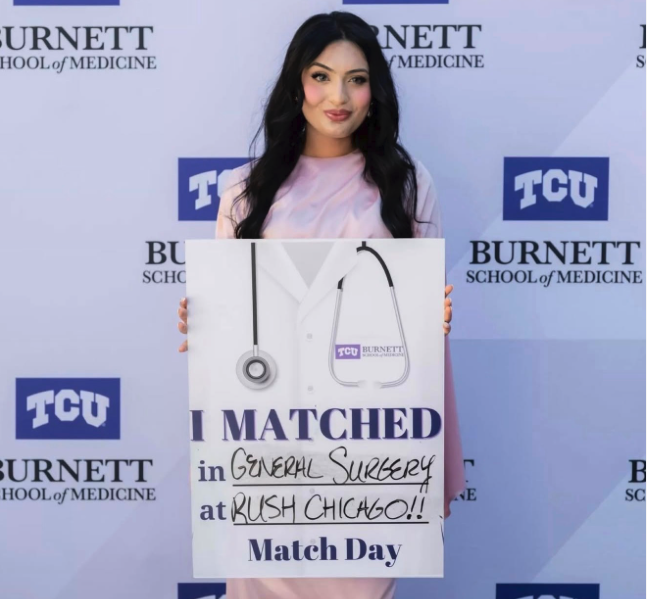
General Surgery, Rush University Medical Center – Chicago
A childhood skiing accident introduced Maha Khan, M.D. ’26, to the world of health care. Observing the impact physicians had on her own recovery motivated her to provide that same reassurance to others in their most vulnerable moments. However, her path to medicine started in engineering, a profession both of her parents pursued. Kahn received her undergraduate degree in biomedical engineering and would routinely visit hospitals.
“I used to work in the lab with tools, and I used to fix machines,” Khan said.
Often, she watched doctors interact with their patients and was inspired by the relationships that developed. These interactions enheartened her to apply to medical school in 2022. Khan is the first person in her family to become a doctor.
“The Burnett School of Medicine at TCU gave me the space and resources to grow into my own path versus giving me a path and making me follow it,” Khan said. “They were so invested in mentoring and helping us grow as future physicians since day one.”
Khan matched into general surgery at Rush Medical Center in Chicago. Match Day was a full-circle moment for her.
“Because of the Longitudinal Integrated Clerkship (LIC) curriculum and opportunities the school gave me, I was able to grow into the surgeon I’ve always wanted to be,” Khan said.
Kailie McGee, M.D. ’26
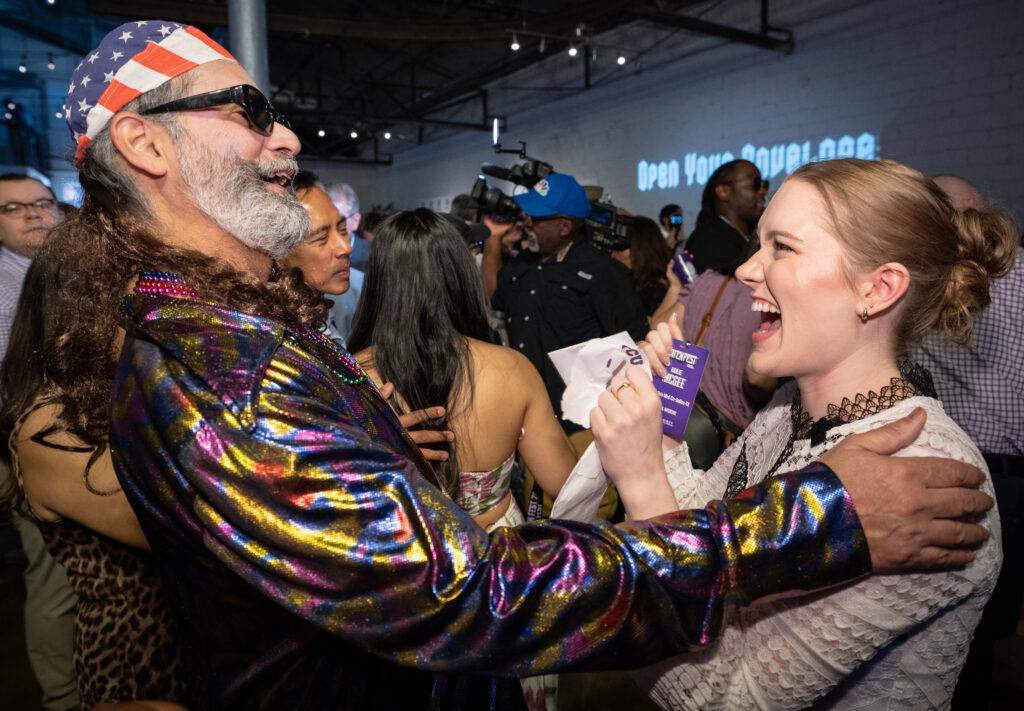
Internal Medicine, Baylor University Medical Center – Dallas
For Kailie McGee, M.D. ’26, her path to being a physician began by witnessing her family’s vulnerability during a medical crisis. Her grandfather was diagnosed with stomach cancer when she was a child. She remembers her family asking physicians to do all they could for her grandfather.
“We just put all of our trust in the physicians and the team,” McGee said.
She was drawn to the Burnett School of Medicine’s Empathetic Scholar® curriculum that emphasizes human connection alongside clinical excellence.
McGee said she wanted to be that kind of physician for other people: “It made me realize that this is what I’m meant to be doing.”