Fort Worth Medical Student Competes in 2022 World Triathlon Winter Championships

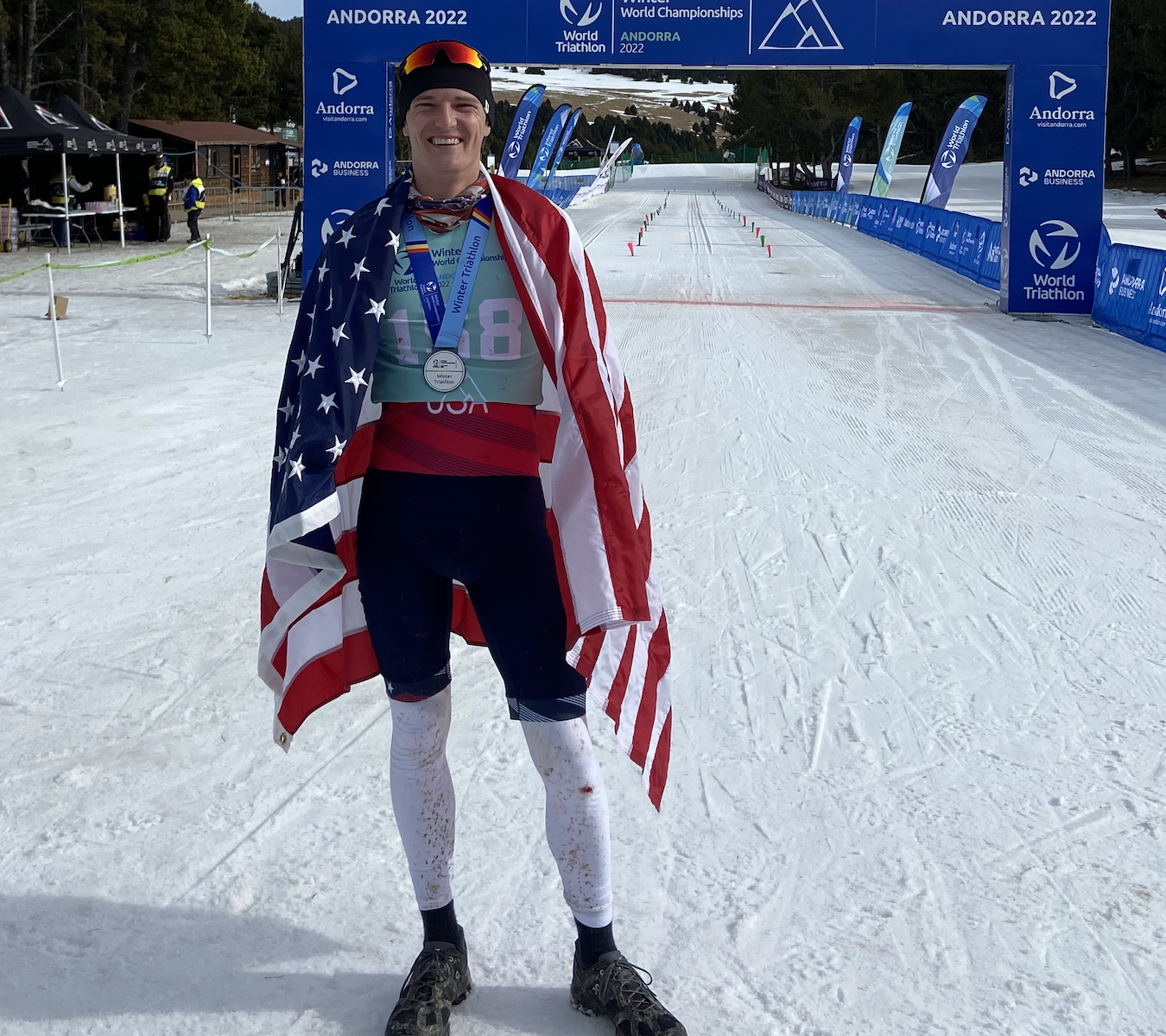
William Naworski, a first-year medical student at TCU School of Medicine, competed for Team USA in the 2022 World Triathlon Winter Duathlon Championships in Europe. (Photo Courtesy of William Naworski)

FORT WORTH– Midway through his first year of medical school, William Naworski was knee deep in studies…and snow.

The TCU School of Medicine student competed for Team USA in the 2022 World Triathlon Winter Duathlon Championships in Europe.

“Competing in the World Championships this year was a humbling and incredible experience,” Naworski said.  “I had never been to Europe prior to this race so I was absolutely stoked to have the opportunity to represent Team USA on my first trip to there.”

On February 6, the small European country of Andorra was the site for the 24th Winter triathlon games. Five sets of age-grouped athletes competed for Team USA and won silver and bronze medals.

Last year, Naworski competed in the Winter Triathlon National Championships in Anchorage, Alaska, and qualified to be a part of Team USA’s triathlon team in this year’s world championship games.

“A good friend of mine asked me to compete last year and I knew this could be a once-in-a-lifetime opportunity and open the door for more opportunities to race in the future and I qualified,”  Naworski said.

Keeping his mind focused on his rigorous studies in medical school this past year, while training for the world championship games was not too difficult for Naworski who just turned 26. He combined his training schedule with his class and study schedules.

For example, Wednesdays were packed in course work and clinical sessions so that typically became his day off from training. The other six days out of the week he trained in the early morning or late nights.

“Starting medical school a bit older than most has certainly helped because I’m able to easily focus on my goals and buckle down,” Naworski said. “The race actually fell on a weekend before one of our exams which was my biggest concern.”
TCU School of Medicine Student William Naworski finished in fourth place for Team USA in the men’s 25-29 age group crossing the finish line in 2:24:58. Photo Courtesy of William Naworski

The winter triathlon puts athletes through a course consisting of a four-lap 5.4-kilometer run, three-lap 9-kilometer bike and three-lap 9.3-kilometer ski.

In preparation for the race, Naworski ran and road his spin bike nearly every day. During his 4-5 mile runs, he focused on increasing his running speed so that his pace was consistently around 7 minutes per mile. He interspersed that with speed work on his bike.

The only training he couldn’t compensate for was skiing given the warm North Texas temperatures.

“Practicing skiing isn’t possible in Texas but general strength and endurance training lend well to performing on cross-country skis,” Naworski said.

In the men’s 25-29 age group, Naworski finished in fourth place crossing the finish line in 2:24:58. His teammate William Head of Fort Richardson, Alaska, was able to finish just before Naworski in third place with a time of 2:11:46 and claim the bronze medal for Team USA.

Sheri Schrock of Cohasset, Minnesota, finished second in the women’s 65-69 age group category with a time of 3:02:31 to capture a silver medal for Team USA.

“Despite the long travel hours and lack of sleep, I managed to perform well both in the race and on the exam,” Naworski said. “Overall, I am happy with our performance.”

Competing in triathlons has also impacted Naworski’s perspective of practicing medicine. His rigorous training regimen has made him made him aware of the important aspects of preventative care and medicine.

“I am a strong believer in preventative medicine and the practice of longevity,” Naworski said. “Competing in these events has helped me to gain a better understanding of the human health span and the time we spend free from illness and injury.”
TCU Medical Student Awarded for Advocacy Work with American Medical Association

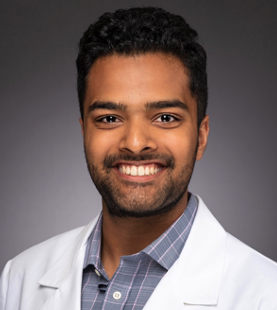
Anand Singh

FORT WORTH – TCU School of Medicine student Anand Singh received the New Member Outstanding Involvement Award in AMA-MSS Region 3 by the American Medical Association – Medical Student Section.

In his role as the Co-Advocacy Chair of AMA-MSS Region 3 that includes medical schools in Arkansas, Kansas, Louisiana, Mississippi, Oklahoma and Texas, the first-year medical student has helped organize nationwide campaigns for the organization.

“I was extremely honored to receive this award alongside other incredible leaders in AMA-MSS Region 3,” Singh said. “Receiving this award inspires me to continue growing my involvement in the AMA-MSS and be an advocate for medical students, physicians, and patients.”

Singh has been a part of the MSS Region 3 Resolution Review Committee, the Logistics and Resources committee for the AMA-MSS N-21 Conference and the Committee on Legislation and Advocacy (COLA) since 2021. He was also one of the authors on four different resolutions presented at the AMA N-21 Conference held in November 2021.

“Through the Texas Medical Association (TMA)-MSS, I was part of the Ad-Hoc Committee to review resolutions for TexMed 2022 and I was primary author for one resolution and helped draft two other resolutions,” Singh said.

Singh is the current AMA delegate for the TCU School of Medicine. During National Advocacy week in October 2021, he helped organize a “Call Your Rep” event as well as social events to increase AMA engagement at the medical school. He also attends monthly Tarrant County Medical Society meetings to provide updates about the medical school, the AMA-MSS and TMA-MSS chapters he’s involved in.

“It really gives me the opportunity to connect and build relationships with local physicians in Fort Worth and all across North Texas,” said Singh. “I believe that there is power in a collective voice and organized medicine provides medical students and physicians the opportunity to advocate for change on a local, regional, and national level. This motivates me to work harder and give back by mentoring other students to find their voice through the AMA-MSS on healthcare advocacy topics they are passionate about.”

Fort Worth Medical Student Launches Barbershop Talk Therapy Project in Fort Worth

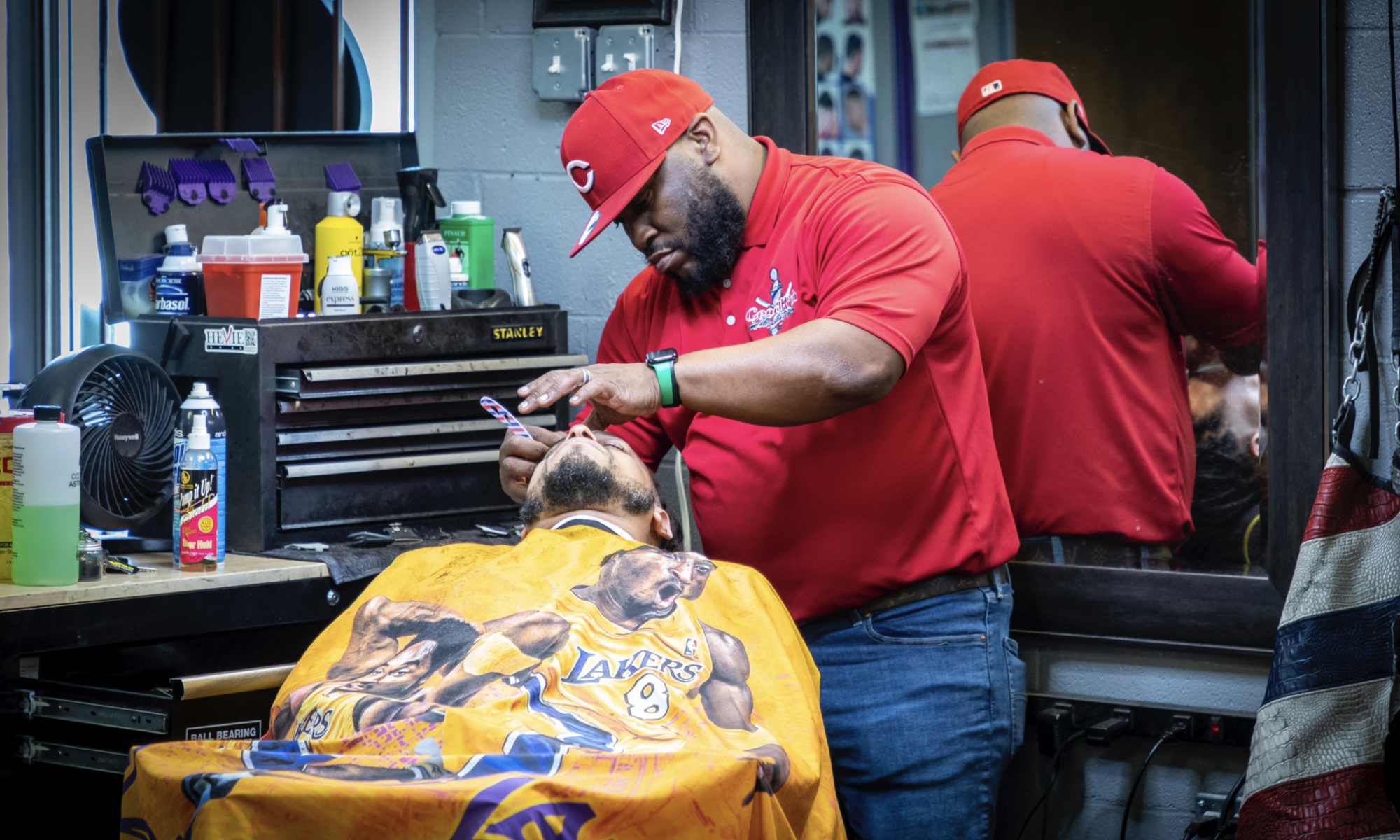
Lanter Goodrich, owner of House of Fades cutting hair, at his barbershop in Fort Worth in April.

FORT WORTH – Creating a space for African American men to come together and have open dialogue about mental health is something that Antonio Igbokidi, a second-year medical student at TCU School of Medicine, had been trying to organize since he arrived in Fort Worth in July 2020.

However, he didn’t want to use a random space for this kind of communal gathering. He wanted it to be a place where Black men could let their guard down and speak freely. Igbokidi turned to a place that has been one of the cornerstones of the African American community since the early 19th century, a barbershop.

“When I think about my childhood and my dad he spoke a lot more at the barbershop than he did at home,” Igbokidi said.

Igbokidi held his first Barbershop Talk Therapy session at Lake Como House of Fades Barbershop in Fort Worth in April. The event was done in collaboration with the Fort Worth ISD Family Action Center.

Igbokidi, who serves as the as the National Diversity Research Committee Co-Chairperson for the Student National Medical Association (SNMA), wanted the men involved to come out of the session feeling a sense of camaraderie.

“It’s all about figuring out ways to get men of color to have raw, vulnerable and organic conversations about mental health,” Igbokidi said. “Figuring out how to destigmatize and demystify mental health.”

Igbokidi was joined by members of the TCU School of Medicine SNMA Chapter. He  also collaborated with the Black Heart Association to offer free screening for cardiovascular disease for anyone attending the session. Michael and Tara Robinson, co-founders of the Black Heart Association, were happy to be a part of something to help ease the hearts and minds of Black men.

“Everything flows through the heart whether it be mental or emotional,” Michael said. “As African American men we’re raised in a culture where we’re taught to be strong. Even as young boys there’s not a space for us to have safe conversations and be vulnerable.”

The men were able to get their glucose levels, cholesterol, blood pressure and risk of heart disease checked. The Black Heart Association has a mobile heart center where they go to barbershops, and other places, around Tarrant and Dallas Counties and offer free screenings for heart disease.

“We know that mental health plays a part in heart disease so this event was like the perfect marriage between what we do and what Toni is doing,” Tara said.

Igbokidi plans to continue the mental health sessions with his next stop being in the historic Stop 6 neighborhood in Fort Worth.

“I’ll have these same conversations whether or not they are larger or smaller,” Igbokidi said. “Just being able to have these conversations is going to bring healing. It’s going to bring understanding and it’s going to allow the communities to become stronger.”

Fort Worth Medical School Workshops Foster Deeper Connections with Patients Through Art

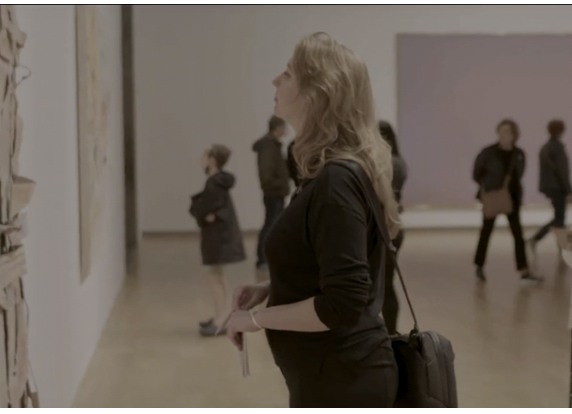
Chase Crossno, MPH, Assistant Artistic Director at the TCU School of Medicine, studies artwork at the Modern Art Museum in Fort Worth.

FORT WORTH – At The Modern Art Museum, Korie Hawkins, was moved by the art entitled “The Brown Sisters” by Nicholas Nixon, a series of black and white photos of 4 sisters taken every year starting from 1975 till 2020.

“It made you feel like day and time matters and matters in a way like we’re in a space where we need to be mindful of who we are, what we’re doing, our purpose, and how are we serving others,” said Hawkins, assistant director of Admissions and Outreach at the TCU School of Medicine.

Hawkins was one of the school’s faculty, staff and students who attended the “HuMed@FWMD: The Modern Art Museum” workshop, which builds skills in observation, examination, self-awareness and perspective-taking.

Chase Crossno, M.P.H, Assistant Artistic Director at the TCU School of Medicine, believes that moments like this will help medical students in the long run.

“One of the things I think for medical students that’s interesting is cultivating observational skills even through uncomfortable feelings like boredom or placing a value judgment on a work, like ‘I don’t like it,’ ”  Crosson said. “This is going to happen with patients, too.  You’re not going to always like the patients that you meet.  It’s not always going to be an immediate rapport or connection.  What are the things to push past that judgement or sense of discomfort?”

During the workshop, Terri Thornton, Curator of Education at the Modern Art Museum, helps participants dissect and analyze the art found in the floors of the permanent collection.

“I often describe contemporary art as looking in a mirror as opposed to historical art which I think more as a window.”  Thornton said. “When we look in a mirror, we kind of have to accept what we see and we have to learn from it.  And I think that’s what contemporary art has to offer.”

Thornton’s idea of art’s ability to create a moment of self-reflection works tangentially with the medical school’s Compassionate Practice® curriculum.

Crossno and Lauren Mitchell, Ph.D., Director of Narrative Medicine, work to empower medical students and professionals to foster authentic connections with the self and others by incorporating reflection and compassion into a lifelong practice.

After reading the medical students’ written reflections , The Compassionate Practice® team decided to create HuMed, or humanities in medicine, is an online journal dedicated to the medical school community in order to share their humanity based practices, such as poetry, essays, photography, video, or audio recordings and show the relationship between health and well-being.

The Compassionate Practice® team is currently accepting submissions from faculty, staff and students with the current offer of helping with revisions and preparations for publications.

REGISTER FOR HuMed@FWMD: The Modern Art Museum 

There will be HuMed@FWMD: The Modern Art Museum on May 19.  To register and find more information and to register, you may find it on the HuMed webpage 

Fort Worth Medical Students Compete in Spelling Bee as part of THRIVE Wellness Program

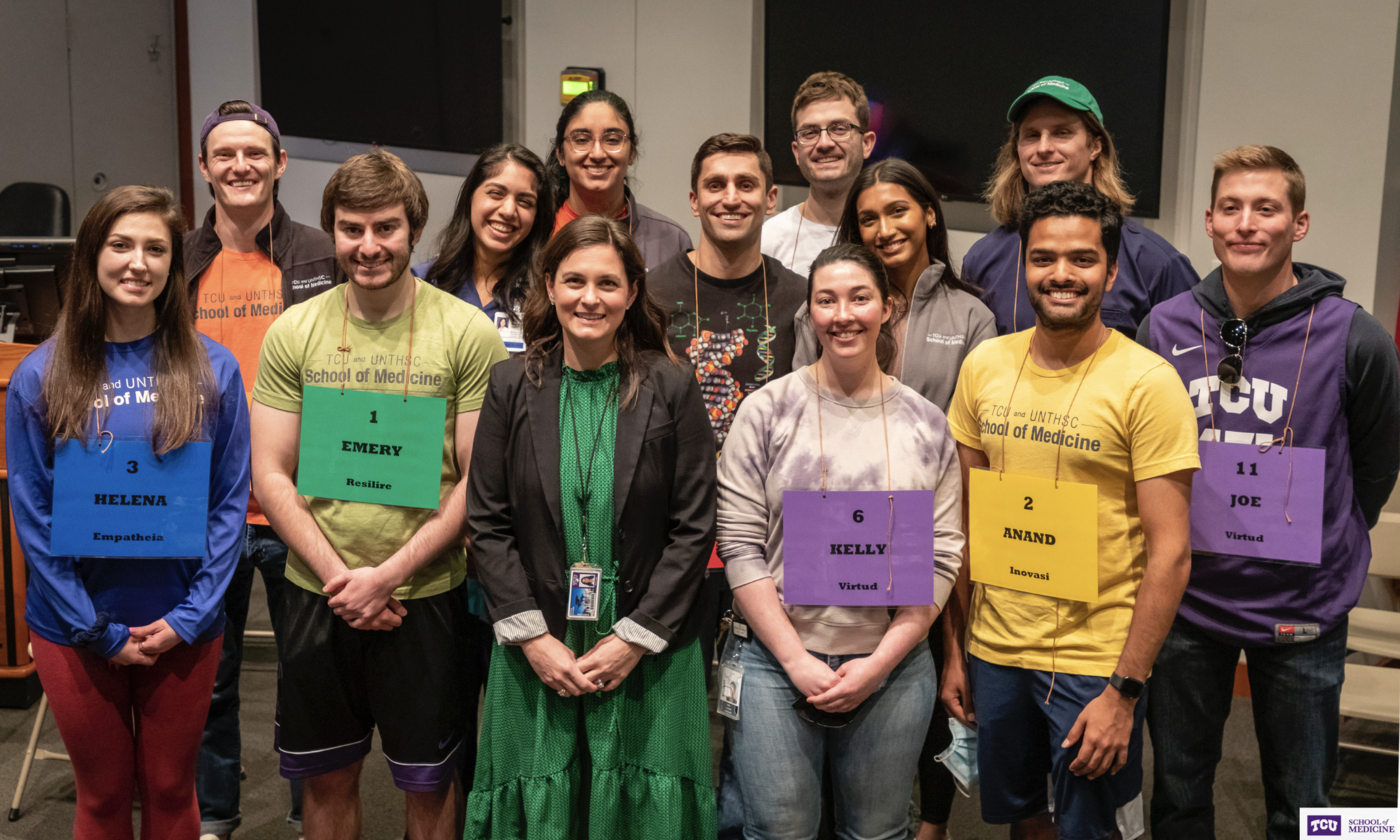
SOM Cup Spelling Bee Contestants

FORT WORTH – The third annual TCU School of Medicine Spelling Bee competition ended with a familiar winner in mid-February.

Arman Fijany, a third-year medical student at TCU School of Medicine, hung on to win an intense spelling bee duel between him and a dozen of his classmates.

“MJ won three in a row. Kobe won three. I just wanted to win three because those guys are my idols,” said Fijany, referring to NBA legends Michael Jordan and Kobe Bryant.

The School of Medicine (SOM) Cup is a year-long competition in which the SOM Learning Communities compete for bragging rights and the SOM Cup trophy. The houses, which spell out the acronym THRIVE, are Timu, Honoris, Resilire, Inovasi, Virtud and Empatheia. THRIVE is the longitudinal, integrated and collaborative system of instruction, learning and support for School of Medicine students focusing on their well-being. The desired outcome of this curriculum is the continuance and/or development of knowledge, skills and attitudes about wellness.

The competition runs each academic year from August 1 until April 30. Each year, 60 incoming medical students are placed into groups of 10 and welcomed into one of six SOM houses and partnered with two Physician Development Coaches, along with additional student team members from previous years.

This innovative and unique student experience is designed to foster a coaching relationship, separate from their academics, that will contribute toward student professional identity formation while providing an additional layer of support toward the student’s academic success.

Stacy Vanvliet, M.D., an assistant professor and Physician Development Coach at TCU School of Medicine, helps lead the house of Virtud.

“We have various fun initiatives throughout the year that build team and fun and a little friendly competition between the houses within THRIVE all geared towards promoting well-being at the school of medicine,” Dr. Vanvliet said.

There are many events for students to attend throughout the year like student development programs and initiatives that encourage growth in emotional, spiritual and physical wellness. During those events students can earn points for their respective house. The majority of the points are be attainable throughout the entirety of the school year through events that follow the THRIVE Well-Being framework.

But, at the end of each academic year the Office of Student Affairs holds a week-long SOM Cup series of events, resulting in more opportunities for points to be awarded.

The Spelling Bee is one of the bigger events before the final week’s SOM Cup series events. The dozen spellers that compete can receive two points to add toward their houses’ yearly point total for each word they spell correctly during the competition. The winner will receive an extra 50 points that can be added to their house’s point total in the race for the SOM Cup.

“There are 87 words in total for this year’s event and the words were selected by the Office of Student Affairs and the Physician Development Coaches,” said Dr. Vanvliet. “I think this year’s event will be a little bit different because it is in person. In the past when we’ve had it on Zoom, we’ve had the audience turn off their cameras and mute their mics to minimize distractions.”

This year’s in-person audience of about 80 students were ready to cheer on their housemates making the atmosphere more tense and electrifying.

“Some of my peers in the upper class or the lower class have totally different schedules so these are more like unifying events for us,” said Matthew Pagano, a second-year medical student. “We get the opportunity to spend time together and catch up and just celebrate being students at the school.”

Fijany said he felt the intensity. From the sighs of every misspelled word to the thunderous claps and cheers for nailing the spelling of a difficult word.

“The energy from everyone was great. It’s a little different this time because we’re not on Zoom,” Fijany said. “I had never really participated in a spelling bee before these events so I didn’t want to really count my first two victories until I win one in person.”

Fijany is a part of house Virtud and was the two-time reigning SOM Cup Spelling Bee champion going into the third annual competition. However, he faced a few classmates that were ready to end his run during the friendly competition. Helena Kons, a third-year medical student, made it into the final three with Fijany before misspelling her final word.

“I was excited but every time it got back to my row I got a little bit more nervous.” Kons said. “This was my second time competing against him (Arman) and he’s fantastic and really smart. It’s always fun to compete against him or watch him compete.”

Sereena Jivraj, a second-year medical student, made it into final round where her an Arman dueled it out. They spelled medical terms such as Carbamazepine and Chlorpromazine at a frantic pace. Until she tripped up on her final word, Propylthiouracil.

“I was confident at first and I decided to not write it out in the air to myself and then I lost it,” Jivraj said. “We’re all secretly or not so secretly competitive so it’s just a fun way to get to know each other a little bit better.”

Fijany took home his third consecutive spelling bee victory by spelling, Coccidioidomycosis, which is also known as Valley Fever an infection caused by the fungus Coccidioides. The fungus is known to live in the soil in the southwestern United States and parts of Mexico and Central and South America.

“Actually I was familiar with it through my studies here,” Fijany said. “I’m feeling good right now with my three rings I may just retire from the spelling bee competition and ride off into the sunset.”

Fort Worth Medical Students Get Hands-on Experience with Latest Laparoscopic Surgery Technology

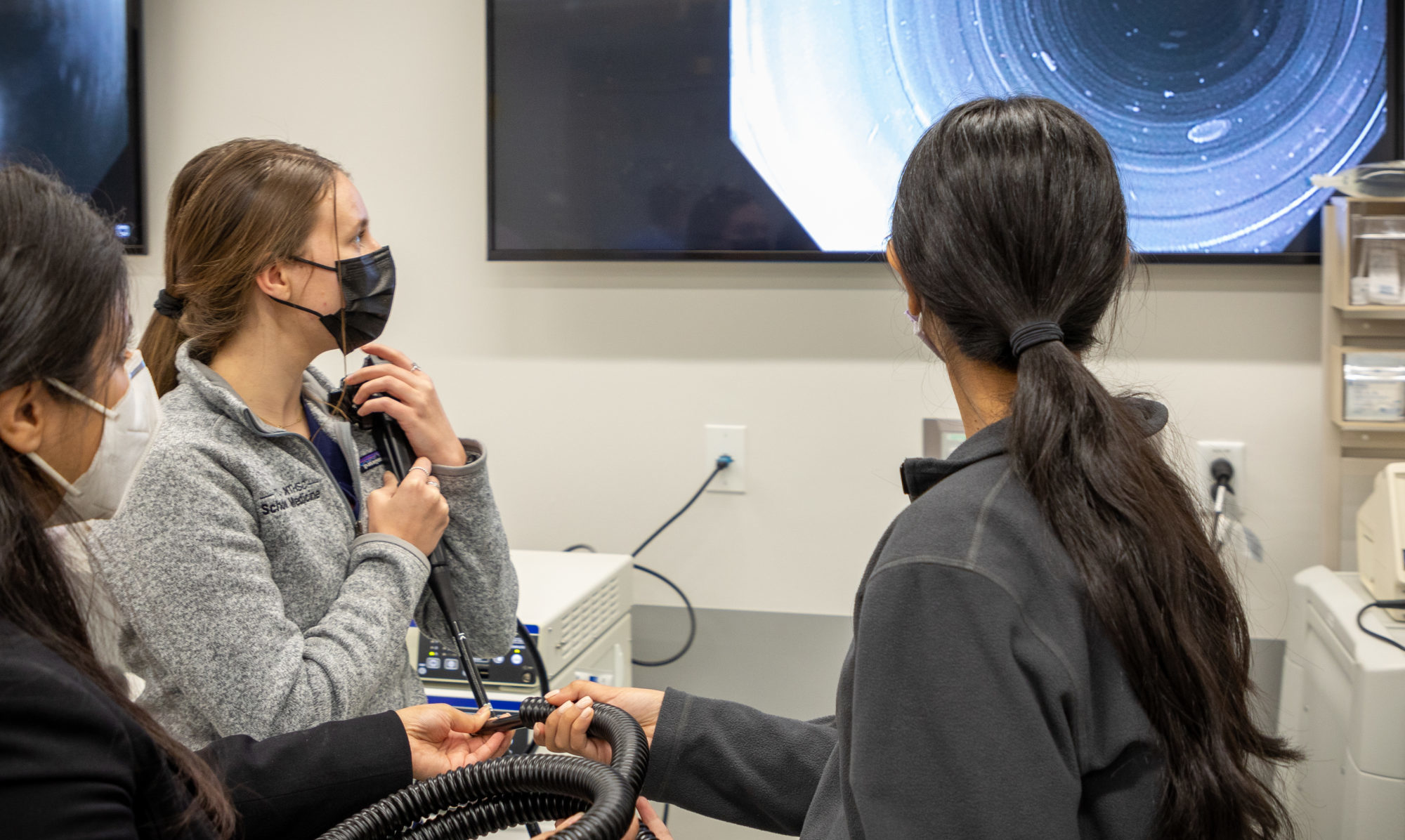
Sujata Ojha and Mallory Thompson use the latest laparoscopic surgery equipment at the TCU School of Medicine on February 2022.

FORT WORTH – TCU School of Medicine welcomed experts from Olympus, global leaders in the development of medical devices, onto their campus in early February to give medical students an immersive and hands-on experience using the latest laparoscopic surgery equipment.

Jim Cox, M.D., an assistant professor at TCU School of Medicine, helped organize the event with the help of the Gastrointestinal and Hepatology Student Interest Group (SIG).

“When I was in private practice I worked extensively with Olympus and I reached out to a former colleague and asked could you provide this training session for the students,” Dr. Cox said. “The thing with Gastroenterology is that much of what we do is colonoscopy or upper endoscopy. We have first, second- and third-year medical students here just to give them the opportunity to see if they’re interested in Gastroenterology.”

Before immersing themselves into the technology, about two dozen medical students joined Dr. Cox for a brief presentation in the simulation lab. He gave a brief overview of typical things the students might see during residency.

“Let’s say an ulcer or a polyp or colon cancer and how are we going to treat those things,” said Dr. Cox. “Are we going to remove them? Are we going to remove an inanimate object from the esophagus that someone inadvertently swallowed? We’re talking about both urgent and non-urgent procedures that gastroenterologists encounter every single day.”

The medical schools’ simulation lab had laparoscopy training monitors and tools provided by Ethicon. The training monitors allow the students to see simulated examples of a laparoscopy, which are small scars on the abdomen. Students can use the monitors attached to the machine to practice suturing and knot tying techniques that require basic hand-and-eye coordination.

“This requires more than just being able to coordinate your hands,” said Sujata Ojha, a third-year medical student and co-president of the Gastroenterology and Hepatology Student Interest Group (SIG) at TCU School of Medicine. “There’s visual spatial movement and being able to know where you are in space and being able to maneuver without impacting the patients’ internal organs.”

Dr. Cox added that most of today’s gastrointestinal surgeries are done using a laparoscope, which makes this training much more beneficial for medical students.

“Most gallbladder, appendix and other intraabdominal organ removals are done using a laparoscope,” Dr. Cox said. “They leave very tiny scars which may actually go away in a few years as opposed to having the patient needing a big scar that could possibly stay for a lifetime.”

Gastroenterologists are advancing more and more into the use of laparoscopic procedures. A recent 5-year patient study presented at the 2022 International Gastric Cancer Congress in March showed  laparoscopy surgery compared with an open gastrectomy surgery was found to produce better overall survival outcomes for patients, according to the Cancer Network.

Mallory Thompson, a third-year medical student and co-president of the GI and Hepatology SIG, was excited about the demonstrations at the medical school.

“Medical students aren’t exposed to these kinds of medical procedures during their clinical rotations this is more for medical resident training,” Thompson said. “It’s exciting that our medical school faculty like Dr. Cox and our student interest group are setting up these kinds of opportunities for us.”

Fort Worth Medical School Experts Discuss Treating Patients During Ramadan

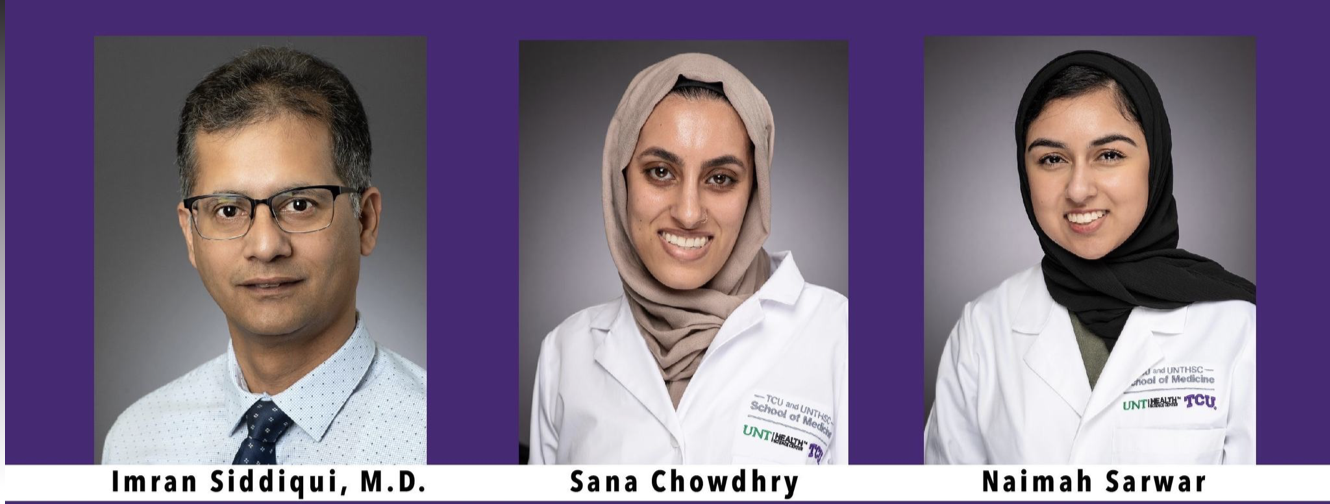
FWMD Live: TCU School of Medicine faculty member Imran Siddiqui, M.D., Professor of Medical Education, and first-year medical students Sana Chowdhry and Naimah Sarwar answered questions from viewers about treating patients during Ramadan on April 12, 2022.


FORT WORTH – How do medical professionals navigate Ramadan while still having to work night shifts or be on-call at hospitals? How can Muslim medical students manage their course workload during Ramadan?  Our guest panelists discussed that and more during our FWMD LIVE chat on Tuesday, April 12.

TCU School of Medicine faculty member Imran Siddiqui, M.D., Professor of Medical Education, and first-year medical students Sana Chowdhry and Naimah Sarwar answered questions from viewers about treating patients during Ramadan. Our experts also shared some insight into the meaning of Ramadan.

Here is a list for resources shared by our panelists about treating patients during Ramadan.

TCU Medical Students Participate in UNTHSC Research Appreciation Day

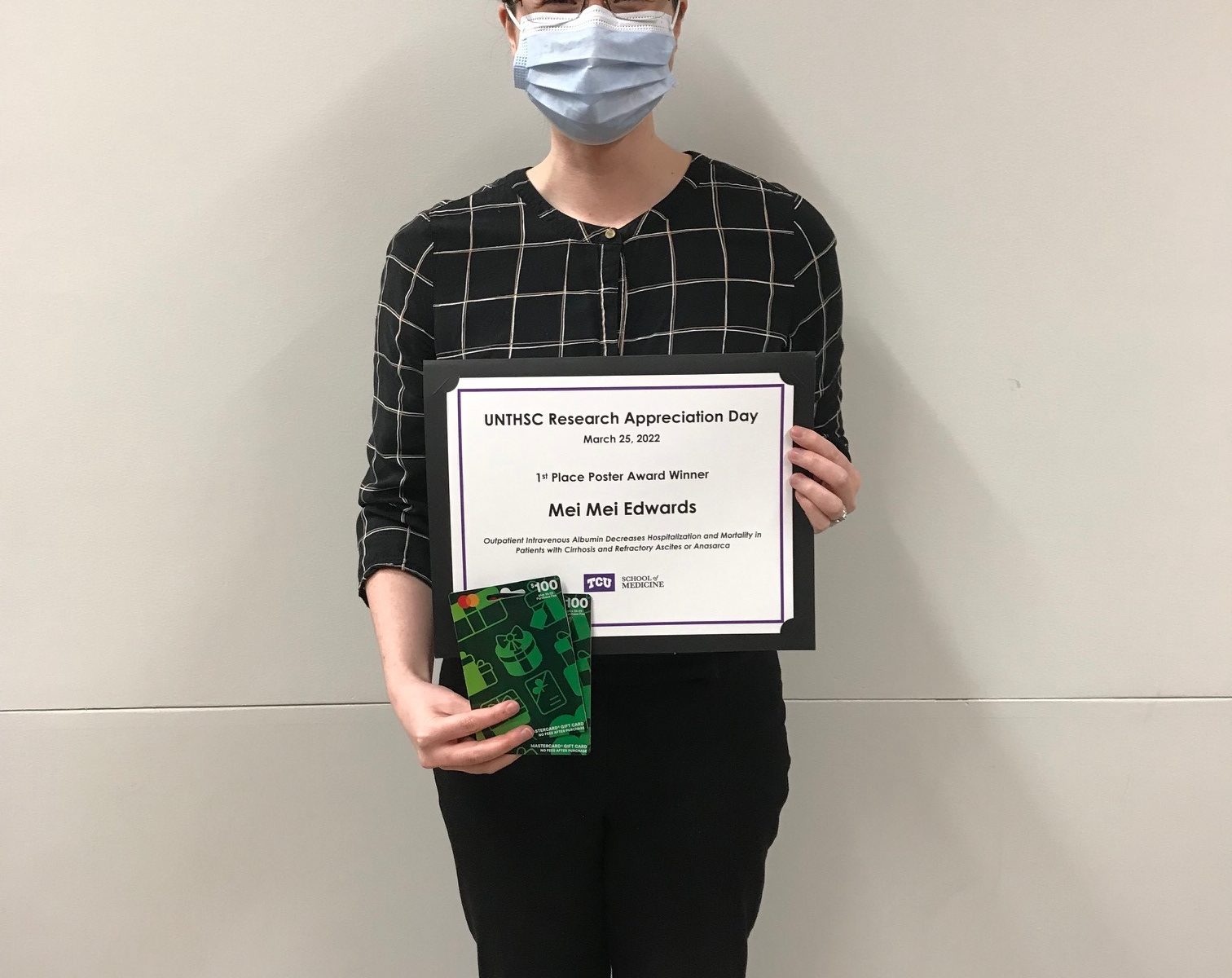
Mei Mei Edwards, MS-3, received 1st place for her poster on "Outpatient Intravenous Albumin Decreases Hospitalization and Mortality in Patients with Cirrhosis and Refractory Ascites or Anasarca" at the 2022 UNTHSC Research Appreciation Day, March 21-25, 2022.

TCU School of Medicine students participated in the UNTHSC Research Appreciation Day (RAD), which took place  March 21-25. This year, 24 students presented or were part of research teams. The SOM awarded prizes for the best posters. The winners are:

1st place ($200)
Mei Mei Edwards, MS-3, (pictured) – Outpatient Intravenous Albumin Decreases Hospitalization and Mortality in Patients with Cirrhosis and Refractory Ascites or Anasarca

2nd place ($100)
Faria Khimani, MS-3, (with Suju Ojha, MS-3; Adam Wolf, MS-3; and Brandon Mallory, MS-3) – Hypertension at Home: How Telehealth Can Impact Hypertension Screening

3rd place ($50)
Areeba Khwaja, MS-3 – Characterization of Echocardiogram, Peritoneal Fluid, and Transjugular Liver Biopsy Assessment in Patients with Noncirrhotic Cardiogenic vs. Nephrogenic Ascites

Honorable Mention
Madison Doty, MS-2 – Variation of Best Fit Distributions in Single Cell Virus Dynamics Models

Honorable Mention
Alex Tolman, MS-3 – Case Report Choroidal Metastasis Secondary to Lung Malignancy

Class of 2023
Nadeem Al-Adli – The Incidence of Arterial Injury on CT Imaging in Cervical and Skull Base Fractures

Nadeem Al-Adli (with L Richards, MS-1) – Sacroiliac Joint Fusion Using the iFuse Titanium Triangular Implant System: Longitudinal Outcomes Study

Kathryn Biddle – Outcomes Associated with Various Iterations of the Dedicated Orthopaedic Trauma Room

Nicholson Brant – Minimally Invasive Lower Anterior Resections – Better Than Open But Not All The Same

Brandon Mallory – Placenta Accreta in a 19-Year-Old Patient

William A Mitchell – Surveying the Mental Health of Adolescent and Young Adult Cancer Survivors with Treatment Derived Late Effects

Griffin Rechter – Early Axial Interfragmentary Motion and its Impact on the Fracture Healing Environment: A Scoping Review

Thomas Roser (with K Giga, MS-3) – The Effects of Surgical Repair Devices in Middle Aged Adults (50-59 Years of Age) with Femoral Neck Fractures

Dilan Shah – Role of BMI in Predicting Treatment Response to Standard Dose Intranasal Esketamine

Nathalie Scherer (with G Smith, MS-3) – Barriers to Diabetes Management in the Homeless Population

Mallory Thompson (with Q Losefsky, MS-3) – An Unusual Presentation of Metastatic Colorectal Cancer Mimicking Cholangiocarcinoma

Shelby Wildish – Laparoscopic Detorsion of the Adnexa in the Second Trimester of Pregnancy: a Case Report

Class of 2024
Anton Agana – Designing a Study to Examine Acute Cross-over Effects of Lower Limb Muscle Fatigue During Upright Standing

Arsalan Ali (with B Jacobs, MS-2) – A Case Series of Atypical Back Pain in Pediatric Athletes

Jack Healy – Pleural Effusion as an Unusual Complication in a Woman with Primary Sjögren’s Syndrome: A Case Report

Benjamin Jacobs (with A Ali, MS-2) – Case Report: Patient with 3 Gastric Cancers Simultaneously (Adenocarcionma, NET, GIST)

Class of 2025
Sofia Olsson – Qualitative Descriptions of “What is Delta-8 THC”?

Lexy Richards – Patient Satisfaction with Telehealth in Neurosurgery Outpatient Clinic During COVID-19 Pandemic

Lexy Richards – Burnout and Emotional Intelligence in Neurosurgical Advanced Practice Providers across the United States: A Cross-Sectional Analysis

SaferCare Texas Excellence in Patient Safety Research Award

2nd place ($200)

Kathryn Biddle, MS-3 – Outcomes Associated with Various Iterations of the Dedicated Orthopaedic Trauma Room

3rd place ($100)

Faria Khimani, MS-3, (with Suju Ojha, MS-3; Adam Wolf, MS-3; and Brandon Mallory, MS-3) – Hypertension at Home: How Telehealth Can Impact Hypertension Screening

Experts Discuss Misinformation, Antisemitism and Hate

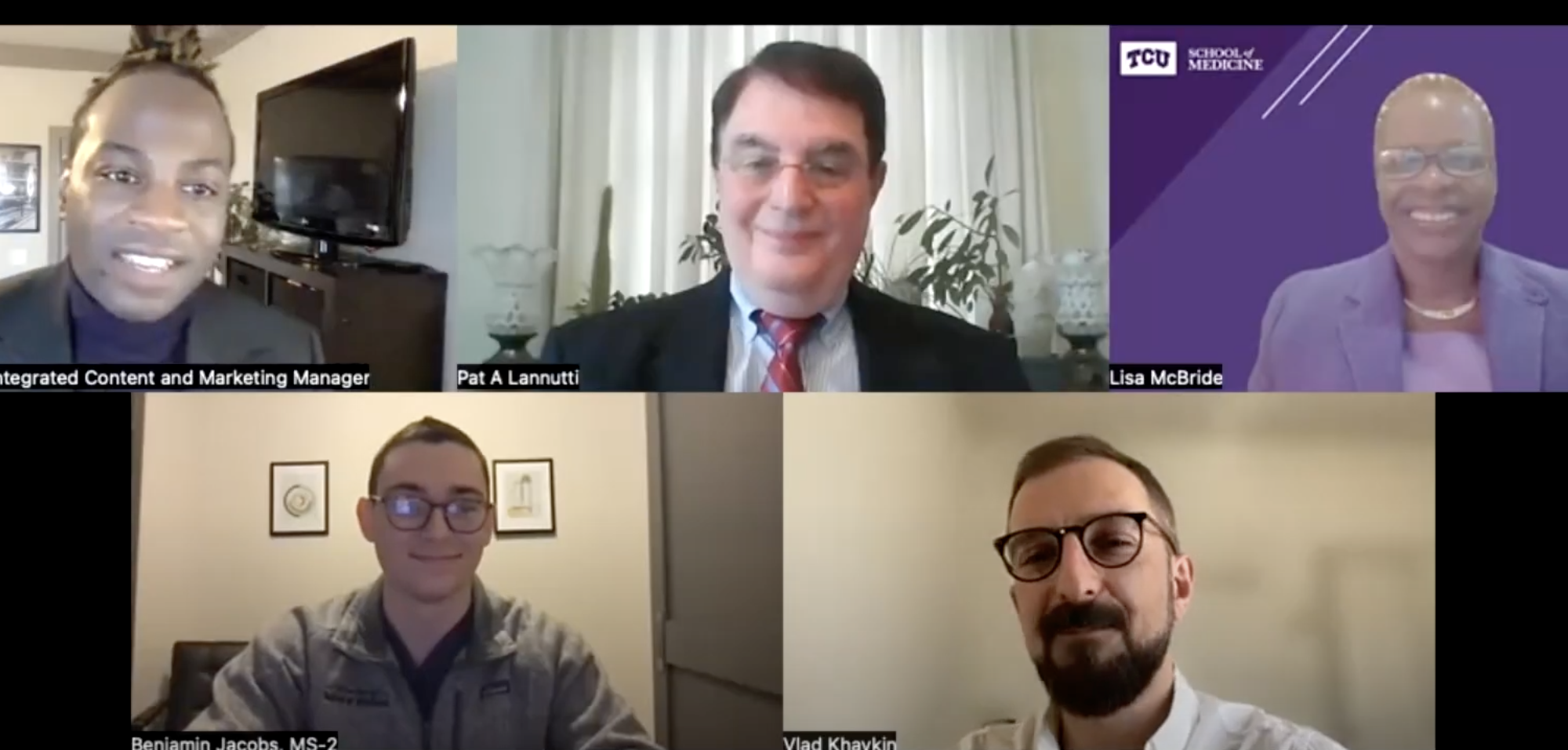
TCU School of Medicine hosted a Facebook Live discussion on Antisemitism and Misinformation on February 24, 2022.

FORT WORTH – How can we avoid spreading incorrect information about Jewish Americans? How does misinformation affect Jewish medical students and physicians during patient care? Our guest panelists discussed that and more during our FWMD LIVE chat on Wednesday, February 23.

Panelists included School of Medicine faculty member Lisa McBride, Ph.D., Associate Dean of Diversity & Inclusion; Benjamin Jacobs, second-year medical student; Vlad Khaykin, national Director of Programs on anti-Semitism for the Anti-Defamation League (ADL); and Pat Lannutti, DO, Vice Chairman of the Department of Internal Medicine at Philadelphia College of Osteopathic Medicine.  Our experts also shared some techniques on how to deal with hate in workplaces and educational settings.

Here is a list for resources shared by our panelists:

Watch a replay here:

TCU School of Medicine Announces New Home in Fort Worth Medical District

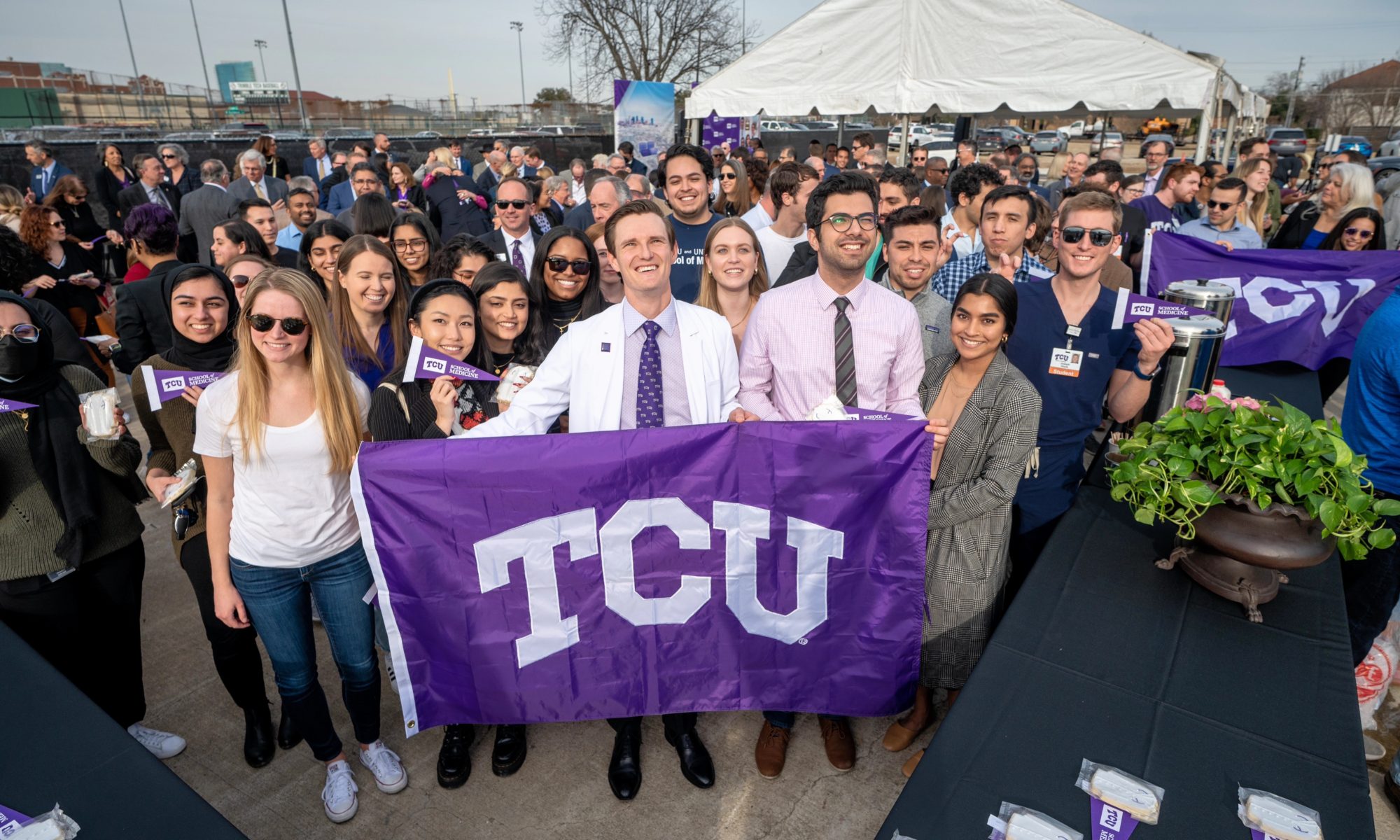
TCU School of Medicine students celebrate the announcement of the site of the future home of the medical school in Fort Worth on Monday, February 28, 2022.

FORT WORTH  – The medical innovation district in Fort Worth is getting a new neighbor – Texas Christian University is expanding its footprint by announcing a new medical campus for the TCU School of Medicine, one of the newest and most innovative medical schools in the country.

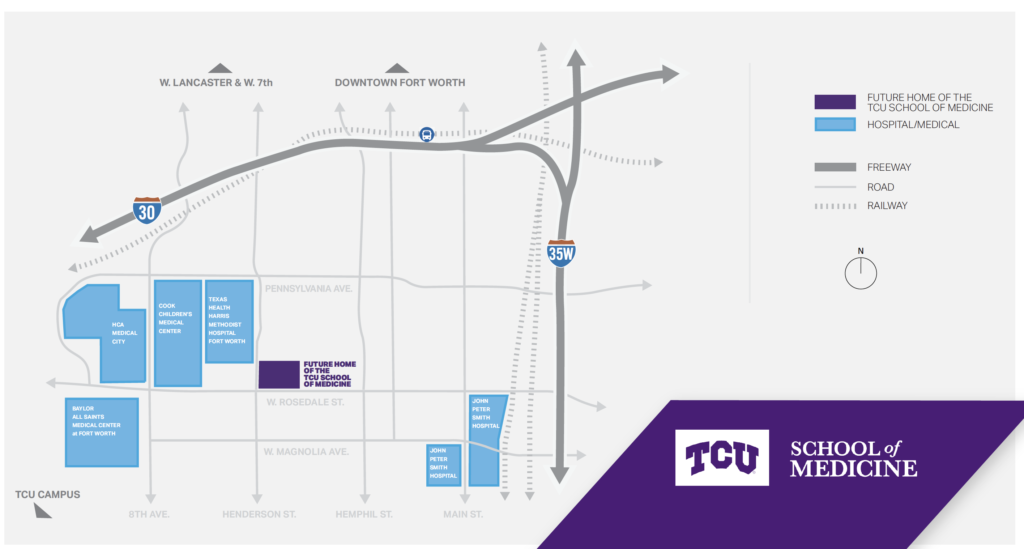
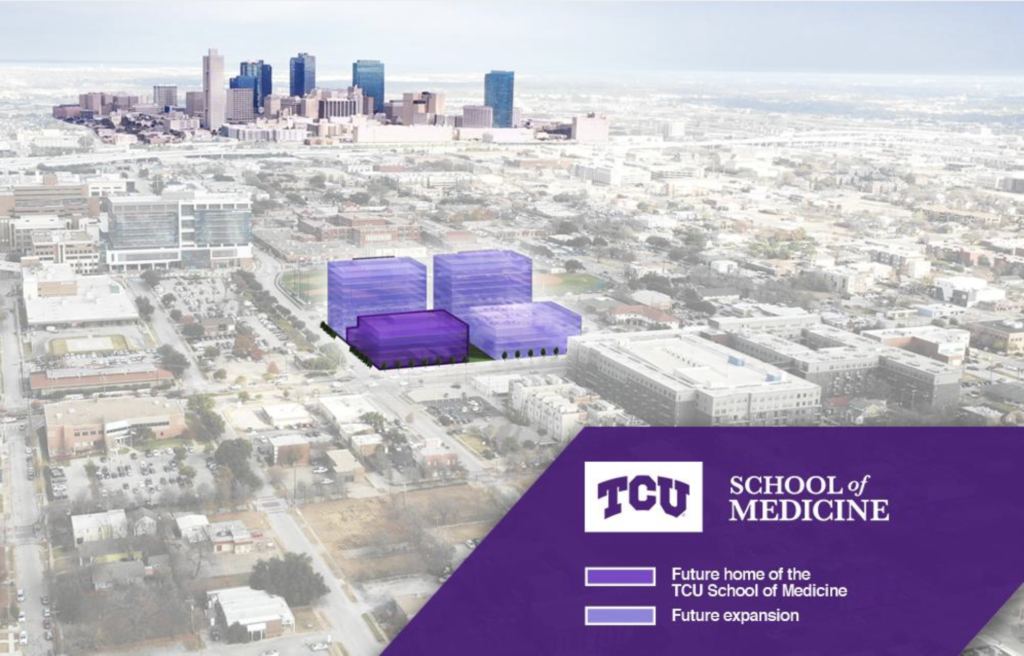
TCU continues its investment in Fort Worth, Tarrant County and the state, with this major building project in the city’s Near Southside neighborhood. The TCU School of Medicine, now recruiting its fourth class, will drive economic development and biomedical advances through partnerships with hospitals, health care organizations and biotech industries.Construction will begin this year on a four-story, approximately 100,000 square-foot medical education building at the northeast corner of South Henderson and West Rosedale streets. It will be the academic hub for 240 medical students and hundreds of faculty and staff. Completion is planned for 2024, and additional facilities are expected as part of the master plan.

View News Release

“The TCU School of Medicine is having a truly exponential impact on our community,” said Chancellor Victor J. Boschini, Jr. “Our Horned Frog medical students are benefitting from an exceptional educational experience, the vast clinical expertise and growing medical industry in our area. The TCU School of Medicine is already contributing to the health of our neighbors and the greater good.”

The medical school was announced in 2015 with the vision of becoming an innovative medical school that would contribute to Fort Worth’s growing bioscience sector.

“The TCU School of Medicine campus is an investment in the long-term health of our community, training and educating future physicians, many of whom will remain in the area expanding our physician workforce and fulfilling an important need for our city and state,” said Fort Worth Mayor Mattie Parker. “This expansion of TCU’s campus to the Near Southside represents a significant contribution to the Fort Worth economy and job growth. This – paired with the TCU School of Medicine’s transformational impact on health care – ensures that Fort Worth’s future remains vital and vibrant.”

View Fact Sheet

With close proximity to the major health care providers of the area, the TCU School of Medicine will expand its offering to students and serve as a catalyst for further growth in the hospital district.

“This new medical campus is ideally located, sitting in the heart of the medical district and adjacent to our valued clinical partners and medical providers,” Dr. Stuart Flynn, founding dean of the medical school said. “Proximity of the medical school is essential to build robust relationships and advantage the amazing opportunities that we and our partners have in Fort Worth. I thank TCU for the vision that will guide our students and school to drive excellence in health care and innovation for our community and beyond.”

The first class of students began in July 2019 and will graduate in 2023.  “I chose this medical school because I wanted to be a part of something brand new and to be a part of something that’s growing exponentially and it’s gratifying to see that growth in real-time” said Dilan Shah, a third-year medical student in the class of 2023.

The School of Medicine’s fourth class will begin in July 2022.

View Community Response

“This is an exciting time for our institution. The medical school is a vital part of our stellar academic offerings, further enhancing the student experience and elevating our academic profile,” Teresa Abi-Nader Dahlberg, provost and vice chancellor for academic affairs, said. “TCU is proud of our impactful work in health care. We graduate thousands of leaders per year — hundreds of them are caring and qualified nurses. Our work and research in developing new therapies, addressing health disparities and healing through clinical and social interventions has created positive impact for decades. The TCU School of Medicine advances our mission, and this new campus promises to strengthen our community even more.”

The TCU School of Medicine will be in the heart of Fort Worth's medical district.
The TCU School of Medicine will be in the heart of Fort Worth’s medical district.

The medical school was created with an innovative curriculum that focuses on developing Empathetic Scholars® and future physicians who are able to walk in a patient’s shoes. This forward approach to medical education includes flipped classrooms without lectures and partnering students with physicians from their first day in medical school.

This provides students more time to embrace and study the major drivers in the future of medicine, including artificial intelligence, genomics and technology monitoring patient health and disease. Each student also completes a four-year Scholarly, Pursuit & Thesis research project on a topic of their own choice to promote life-long inquiry and learning.

The School of Medicine received preliminary accreditation from the Liaison Committee on Medical Education (LCME) in 2018. In February 2021 a team of accreditors from the LCME met with senior leadership, faculty and students during a virtual site visit before making their Provisional Accreditation decision. In mid-June 2021, the LCME voted to grant Provisional Accreditation to the innovative medical school, bringing it one step closer to full accreditation.

The School of Medicine has also launched graduate medical education collaborations with JPS Health Network, Baylor Scott & White All Saints Medical Center Fort Worth and Texas Health Resources that will remain in place. Those important partnerships will improve health and the delivery of care in North Texas as well as help address the increasing physician shortage in Fort Worth and beyond.

The TCU School of Medicine’s new home will be at the corner of Rosedale and Henderson Streets in the heart of the Fort Worth’s medical district.

In the News

Star-Telegram

TCU Medical School announces new Near Southside campus to open in 2024

View Full Story

Dallas Morning News

TCU announces site of new medical school in Fort Worth

View Full Story

Fort Worth Business Press

TCU School of Medicine will build new campus in Fort Worth Medical District

View Full Story